
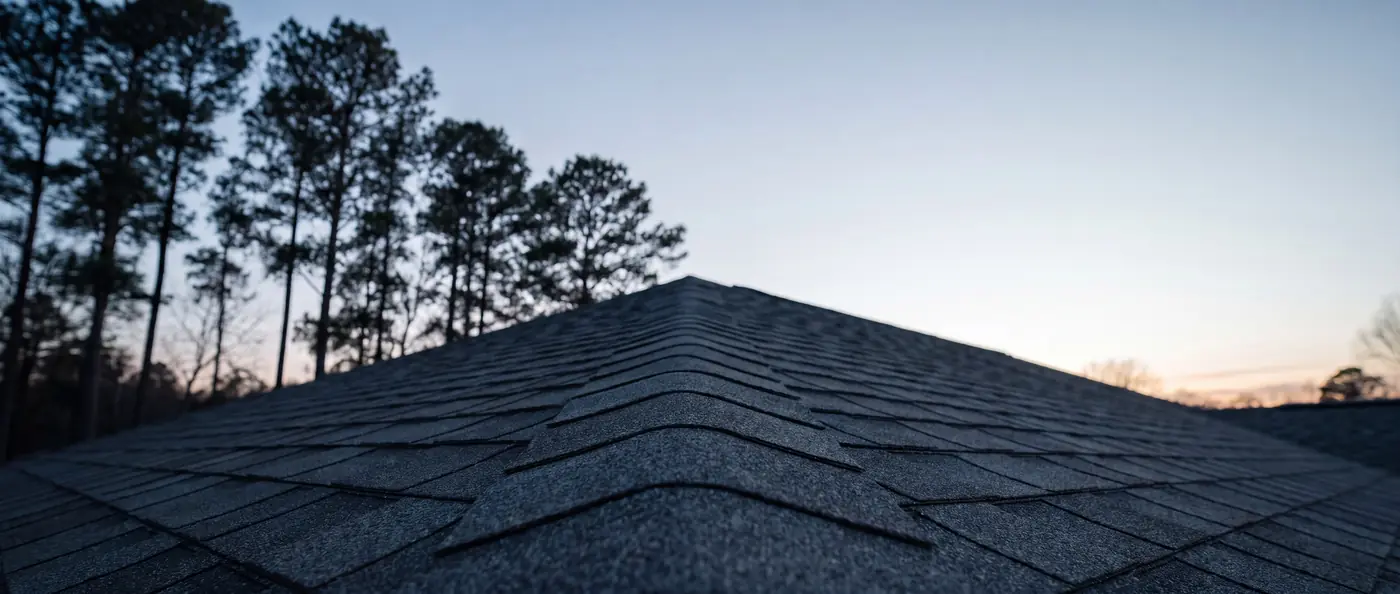
What keeps a shingle alive
Most homes around Asheboro and the rest of the Triad have asphalt shingle roofs, either 3-tab or architectural. An asphalt shingle is a mat coated in asphalt, with a layer of granules pressed into the top. The asphalt is what makes it waterproof and lets it flex. The granules shade that asphalt from the sun.
Asphalt comes from crude oil, and it holds lighter oils that keep it soft. As those oils break down, the shingle loses its give. That's most of the story of an aging roof. Summer is when a lot of it happens.
Heat and UV do most of the damage
Two things break those oils down: heat and ultraviolet light.
UV goes after the asphalt anywhere the granules have worn thin. Heat speeds up the chemical aging across the whole shingle. A dark roof sitting in July sun gets far hotter than the air around it, and it stays that way for hours.
In the Piedmont, summer sun is strong and the hot season runs long. A roof here spends months each year baking. South and west faces take the worst of it because they catch the afternoon sun. That's usually where fading shows up first. Our page on faded, sun-bleached shingles shows what it looks like.
The attic cooks shingles from below
Heat comes from below too. A hot attic bakes the roof deck and the shingles from underneath. If the attic doesn't vent well, that heat has nowhere to go.
Signs your attic runs too hot:
- Upstairs rooms stay warm well into the evening
- The attic feels like an oven on a summer afternoon
- Soffit or ridge vents are few, blocked or painted over
- Shingles curl or blister more on one part of the roof than the rest
Poor ventilation is a common reason shingles curl early. Our page on curling shingles covers the difference between cupping and clawing, and what each one tells you.
What humidity, shade and storms add
Humidity doesn't dry out a shingle by itself. What it does is keep shaded roof faces damp. Under all the pine and oak in this area, north faces can stay wet long after a storm or a heavy dew. That's where black algae streaks tend to start. Rejuvenation doesn't kill algae, so that's a separate problem. See black streaks on your roof for that one.
Summer thunderstorms bring their own wear. Heavy rain washes loose granules into the gutters. Wind lifts tabs on shingles whose seal strips have let go. Every now and then, a storm brings hail. We wrote about that in hail and aging shingles in the Triad.
The daily swing from hot afternoon to cool night also works on the roof. Over many summers, that heating and cooling can push nails loose, which is how nail pops get started.
What to look for from the ground
You don't need to climb up there. Most of the signs show from the yard or the gutters.
- 01Granules at the downspouts
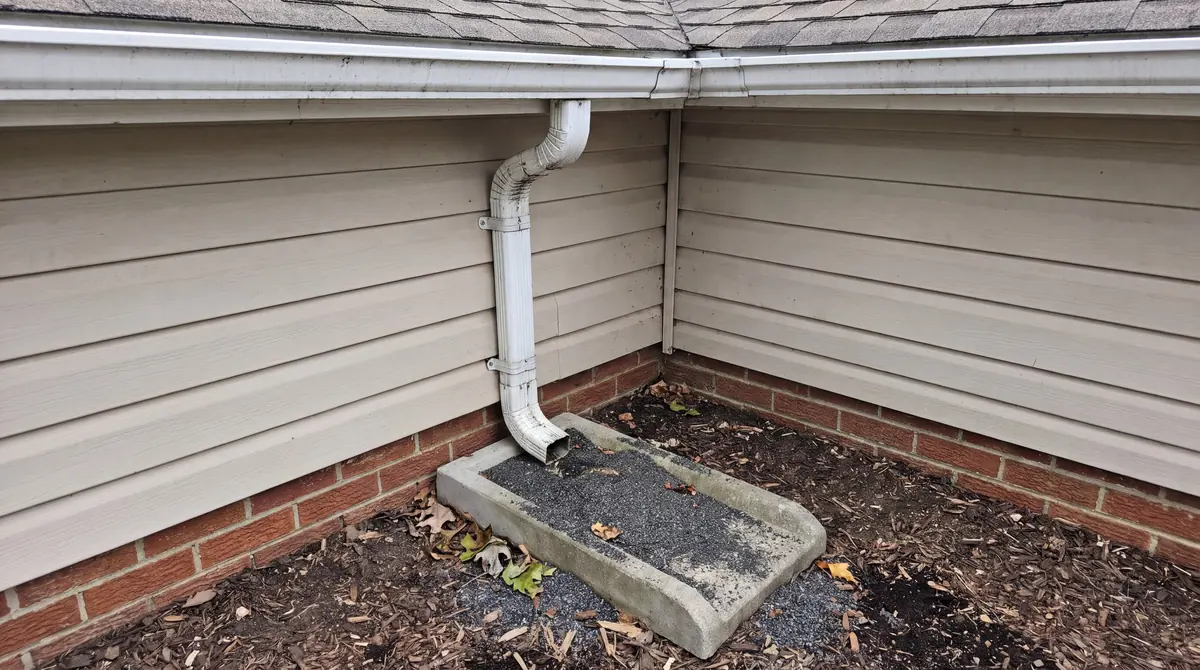
Little piles of sand-like grit at the splash blocks mean shingles are shedding their sun shield. Read more on granule loss.
- 02Faded patches
Compare the south and west faces to the north side. A big color difference points to sun wear.
- 03Curled or cupped edges
Look along the roof line for edges that lift or tabs that bow up at the corners.
- 04Cracks or missing pieces
A pair of binoculars helps. Cracks mean the shingles have turned brittle.
Slowing it down
You can't stop the sun. You can slow down what it does to your roof.
- Keep gutters clear, so water sheds off the roof edge instead of backing up under it.
- Fix ventilation if the attic runs hot. That's a job for a roofer or an HVAC contractor.
- Catch small problems early, like loose shingles, nail pops and dried-out flashing seals. Our roof tune-up covers those.
- Treat the shingles while they're still sound. APEX-1132 is designed to react with the aged asphalt and restore some of its flexibility. Each round can add up to about 5 years of life.
Timing is everything with that last one. Treatment works on shingles that are drying out, not ones that are already cracked and curled. If you're not sure where your roof stands, a free roof assessment will tell you. The owner checks the shingles, the granule loss, how flexible they are and the flashing. Then you get a clear answer, even if it's one you don't want to hear.
Common questions
Which side of my roof ages fastest?
Usually the south and west faces, since they catch the most direct sun and the afternoon heat. North faces fade less but stay damp longer under shade, and that's where algae tends to grow.
Can you treat a roof in the middle of summer?
Treatment needs a mild, dry day. The data sheet gives dry times at 70 to 80 degrees and 50% humidity, and summer afternoons in the Piedmont often bring storms. We plan around the weather. See can you rejuvenate a roof if rain is coming.
How do I know if my shingles are dried out?
Look for granules in the gutters, faded patches and edges that curl. A shingle that cracks when bent has likely gone too far for treatment. We check flexibility as part of the free assessment.